
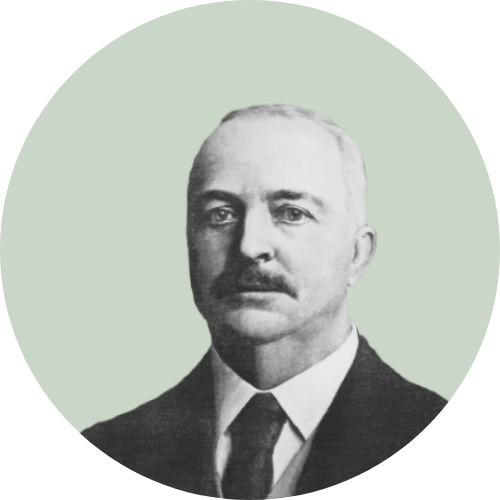
The Scanlan family played a pivotal role in Houston’s political, business, and philanthropic landscape in the 19th and 20th centuries. Patriarch Thomas Howe Scanlan (1832–1906), a successful merchant and Houston mayor during Reconstruction, significantly influenced the city’s infrastructure and development. After his death, his daughters carried on his legacy through ventures like the historic Scanlan Building in Downtown Houston and the Scanlan Foundation, which funds Catholic educational and charitable initiatives across Texas.
Born in Ireland, Scanlan immigrated to New York at age seven and arrived in Houston in 1853. He amassed a fortune through real estate investments in Houston and Galveston and served as vice president of the Houston Gas and Water Works companies.
As a Republican in a predominantly Democratic state, Scanlan was appointed Mayor of Houston in 1870. His administration improved civic infrastructure by appointing the city’s first Black police officers, paving streets, dredging Buffalo Bayou, and commissioning the landmark City Hall and Market House complex in 1872. He also served as Postmaster General from 1875 to 1879.
After Thomas and Harmena Scanlan died, their seven daughters managed the family estate and continued their philanthropic work. In 1909, they commissioned architect Daniel Burnham to design the 11-story Scanlan Building on land their father had purchased in 1865. After Lillian Scanlan died in 1947, the Scanlan Foundation was established and began providing grants to Catholic schools, hospitals, parishes, and charitable institutions across Texas.
Plot Location:
Glenwood, D1, Lot 1